Investigation by Hanan Al-Tayeb
In Sudan, cancer stories aren’t confined to treatment rooms—they’re told in public spaces, on platforms, and through campaigns led by women who have faced the illness with courage.
Among them is artist Muna Magdy, who announced her recovery and took part in awareness campaigns, speaking about the importance of psychological support and a positive spirit during treatment.
Voices of Sudanese female journalists and media professionals also emerged—women like Lamia Mutawakkil and Hiba Al-Muhandis—who broke the silence and stigma, proving that sharing one’s story restores a woman’s sense of power and encourages others to seek early detection and resist despair.
This investigation presents firsthand testimonies from fragile contexts, where cancer intersects with poverty, displacement, and lack of health insurance.
From a refugee battling a tumor in exile, to a child singing for healing, from men who inspire through silence, to women who fight with words—these stories redefine survival and prove that when media listens, it saves lives.
This report traces the impact of cancer on patients and survivors—not only from a medical perspective, but through human and psychological lenses—highlighting the importance of community support, awareness, willpower, and empowerment in confronting cancer.
Voices of Survivors: When Pain Becomes Awareness
At the heart of every survival story is a voice that cannot be forgotten—a voice that resists stigma, redefines strength and beauty, and proves that illness cannot dim the light of the self.
Media professional Lamia Mutawakkil was not defeated; she faced cancer with awareness and stood behind the microphone as a voice for survivors, breaking stereotypes and restoring symbolic power to women.
Artist Muna Magdy, who underwent treatment amid harsh political and social conditions, says:
“Cancer wasn’t my only enemy—it was the fear of losing my voice, of being erased as a woman in public space. But I resisted. I wrote, I sang, I stood before the camera bald and fearless.”

Survivor-turned-community activist Suad Omar shares:
“When I healed, I wasn’t the same. I became more aware, more daring. I began accompanying women to screening centers and speaking in media about my experience. Pain taught me to be a voice for the voiceless.”
These voices not only inspire, but demand access to screening, treatment, and psychological support as non-negotiable human rights—especially in contexts of displacement, where women are surrounded by isolation and fear.
From Personal Experience to Social Change
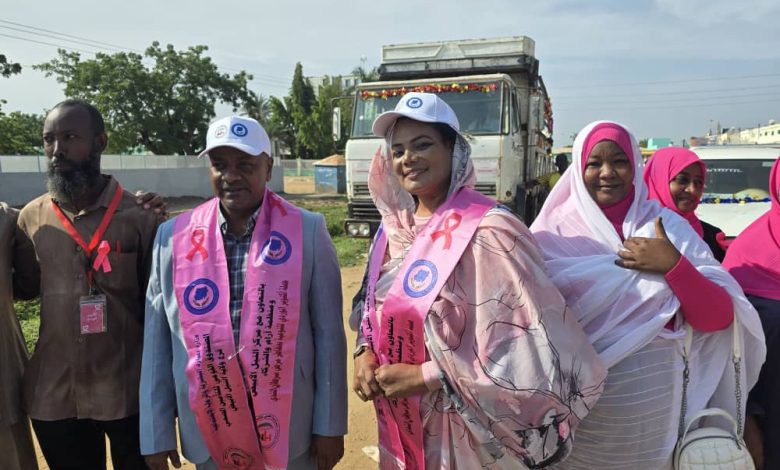
At this year’s Pink October celebration in White Nile State, Lamia Mutawakkil wasn’t just a media sponsor—she was a living voice of experience and survival. With her warm radio voice, she stood before the audience and shared her personal journey with breast cancer, which she overcame years ago to become a survivor and an inspiration to others.
“Get screened… Stay safe”
Lamia, who went through every stage of treatment, launched the “Lamia Mutawakkil Media Initiative” six years ago. Now in its sixth edition, the initiative carries the slogan “Get screened… Stay safe,” aiming to raise awareness about breast cancer and provide early detection services through mobile clinics in health and educational facilities, alongside awareness lectures in localities like Tendelti and Kosti.
With awareness, we resist illness
During the celebration, Lamia honored several survivors and shared emotional stories, including that of Zubaida—a student diagnosed with lymphoma who continued both treatment and studies.
In a pivotal moment, Zubaida passed her middle school exams with a score of 265, succeeding in both healing and education. Lamia’s words were a public tribute to women’s resilience, followed by White Nile University’s announcement of a full nursing scholarship for Zubaida in recognition of her perseverance.
From Survivor to Inspiration
Lamia also moved the audience with the story of Zilal, a teacher who underwent a strict treatment protocol and became a symbol of patience and strength. She testified that survival is not only physical, but also psychological and spiritual.
Lamia, who was bald for seven months due to chemotherapy, told the audience:
“I believed I was the most beautiful woman in the world. With awareness, we resist illness.”
Her words were more than testimony—they were an open call for women to break the barrier of fear and claim their right to screening, treatment, and support in a homeland where women deserve healing and their survival deserves honor.
Mahmoud: The Silence That Inspires
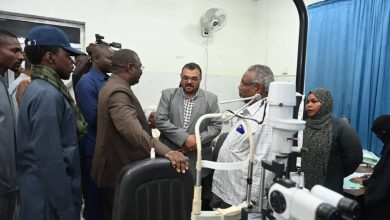
At the cancer center in Merowe, Mahmoud Yousif, a man in his fifties, awaits his third chemotherapy session. He doesn’t speak much, but his presence radiates a quiet strength—as if his body resists in silence, and his eyes tell you the battle isn’t over.
He carries a small notebook where he writes reflections, saying:
“Cancer taught me to redefine strength. Strength isn’t hiding pain—it’s allowing myself to feel and keep going.”
Nurses know him well and say he encourages new patients without many words. He smiles, pats their shoulders, and points to his chair:
“I’ve been here for three months, and I still smile. You will too.”
Ali: From Pain to Awareness
In a Sudanese hospital, Ali Omar, 45, stares at a lab report that turned his life upside down.
“Leukemia,” the doctor said calmly, but the word hit like a thunderbolt. His treatment journey began amid countless challenges: painful sessions, lack of insurance, and pitying glances.
But his wife and daughter were his pillars, writing him encouraging notes and drawing colorful hearts.
After a year of struggle, the doctor announced the disease was in remission.
Today, Ali stands before school students and community groups, sharing his story and urging early detection:
“Cancer isn’t the end—it’s the beginning of a battle worth fighting.”
Sara: A Refugee Redefining Survival
At last year’s Pink October campaign in Kampala, Sara Omar, a refugee in her thirties, underwent voluntary screening.
She didn’t expect the results to be a turning point. When the doctor told her about an early-stage tumor, she broke down in tears—not just from fear of the illness, but of the unknown: how would she face cancer as a refugee? How would she afford treatment?
One dose cost $600.
After days of despair, Sara reached out to local organizations, received psychological support, and began initial treatment funded partially by a humanitarian group.
She became a symbol of awareness among refugee women, sharing her story in educational workshops:
“Early detection saved my life. Despite everything, I’m grateful.”
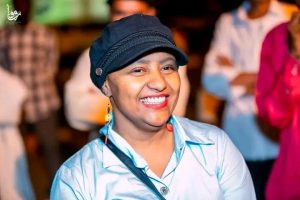
Laila: A Mother Discovers Illness at a School Campaign
At a primary school, Laila Hassan, a mother of two, attended a breast cancer awareness event.
Out of curiosity, she got screened—and discovered a stage-two tumor.
The shock was twofold: the illness and the fear of leaving her children.
She began treatment with support from the school and community, later becoming a volunteer in awareness campaigns:
“If I hadn’t been there that day, everything would’ve been different.”
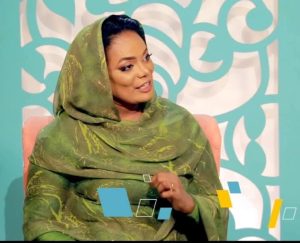
Maryam: The Child Who Sang for Healing
One winter day, Maryam Adam’s mother noticed her 15-year-old daughter crying unusually. She took her to the doctor, and an unexpected journey began: a diagnosis of acute lymphoblastic leukemia.
For three and a half years, Maryam underwent intensive treatment at Hope Cancer Center.
But she kept drawing, laughing, and singing. She became a source of inspiration for other patients, and doctors nicknamed her “the soul of the ward.”
Her mother says:
“She drew smiling faces on the walls and told patients: Don’t be afraid, I’m with you.”
Today, Maryam is in recovery and participates in awareness events for children, urging parents to watch for physical or behavioral changes.
Impact Statement
This investigation highlights how cancer stories in Sudan shift from individual suffering to collective resistance. In fragile contexts like poverty and displacement, words become tools of healing, and media becomes a platform for change.
Sara’s story prompted local organizations to review support policies and inspired refugee women to seek voluntary screening. Mahmoud and Ali redefined strength through silence and awareness, affirming that survival is not only physical, but psychological and social.
Early detection can reduce cancer mortality by up to 50% and lower costs, especially in early stages.
Psychological support improves immunity, reduces depression, and enhances patients’ ability to adapt and adhere to treatment.
In underserved environments, media initiatives and female leadership make a tangible difference in detection and survival rates, redefining survival as a non-negotiable human right.
In every story, a voice resists. And in every act of resistance, there’s a chance to survive.
From the Edito
These stories are not merely medical cases, but living testimonies of human resilience and of the vital role media plays in bringing such examples to the public.
Through awareness, support, and honest words, we can change society’s perception of cancer and give hope to those who need it.
In every story, there is a voice.
`